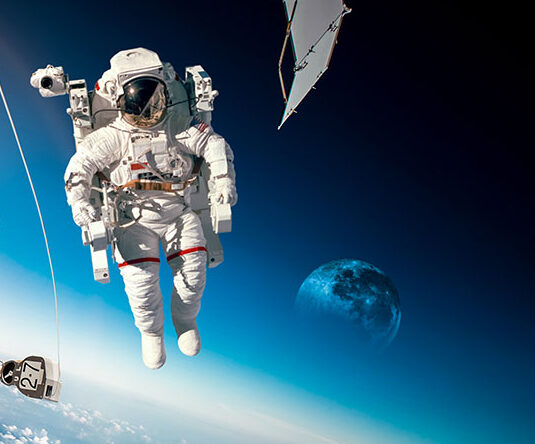

There are books you read politely. You nod at them. You underline a sentence or two. You place them back on the shelf like a respectable dinner guest who did not break anything.
And then some books read as if they have already hired a cinematographer.
These are the books that whisper things like, “Low angle shot here,” or “Insert swelling strings,” or “This would look excellent in 70mm.” They are impatient with being paper. They are staging lighting in the margins. They are, quite frankly, tired of waiting.
If I were producing films – which I am not – these are the books I would immediately option, clutch to my chest, and walk briskly toward the nearest streaming executive while pretending I always intended to adapt them.
Because some stories don’t just deserve a director, they are practically begging for one.
1. The Night Circus – Erin Morgenstern
Morgenstern’s debut arrives with atmosphere already switched on. A monochrome travelling circus appears without warning, opens only at night, and houses a long-running duel between two magicians raised as rivals since childhood. The rules are obscure. The stakes are fatal. The aesthetic is unwavering: black, white and deliberate flashes of red.
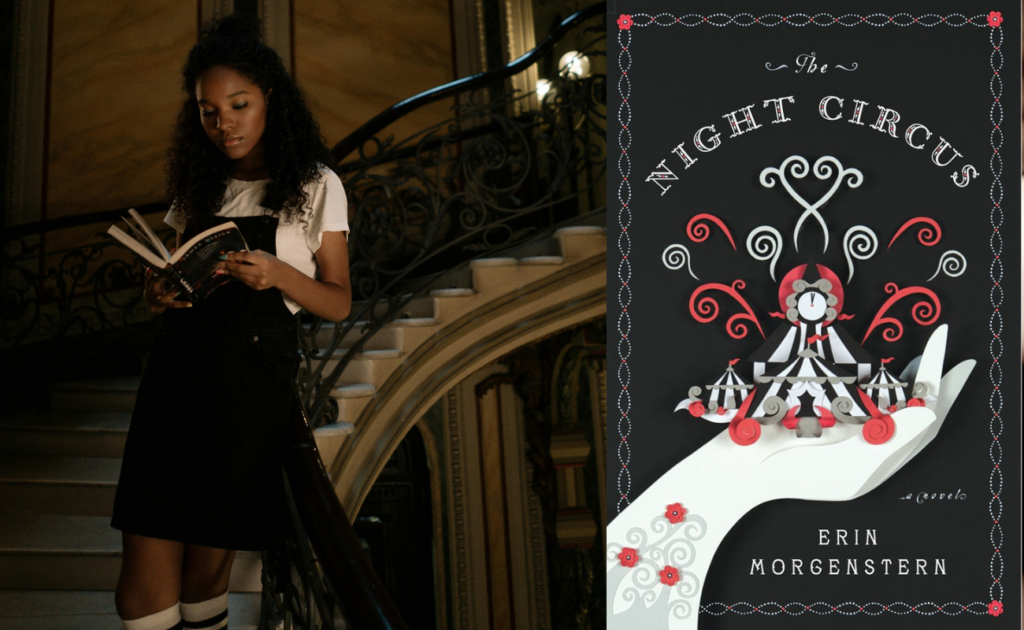
It is rare to find a novel with such a coherent visual grammar. Every tent is spatially distinct. Every illusion is tactile. The rivalry unfolds like psychological chess played under chandeliers.
There have been attempts to adapt it – Summit Entertainment optioned it in 2011 – but like many visually ambitious properties, it stalled in development. That hesitation is understandable. The danger would be mistaking spectacle for substance. The circus works because it is intimate. The magic is not CGI; it is control.
A limited series would suit it best. Eight episodes. Each tent its own chapter. Resist exposition. Let the romance breathe and the rivalry calcify slowly. Done properly, it would sit somewhere between gothic romance and prestige fantasy — less fireworks, more atmosphere.
This is not a story that needs to be louder. It needs to be precise.
2. Piranesi – Susanna Clarke
Piranesi unfolds inside an endless House filled with statues, tides and echoing halls. The narrator catalogues its chambers with serene devotion, while clues accumulate that the House may not be what it seems.
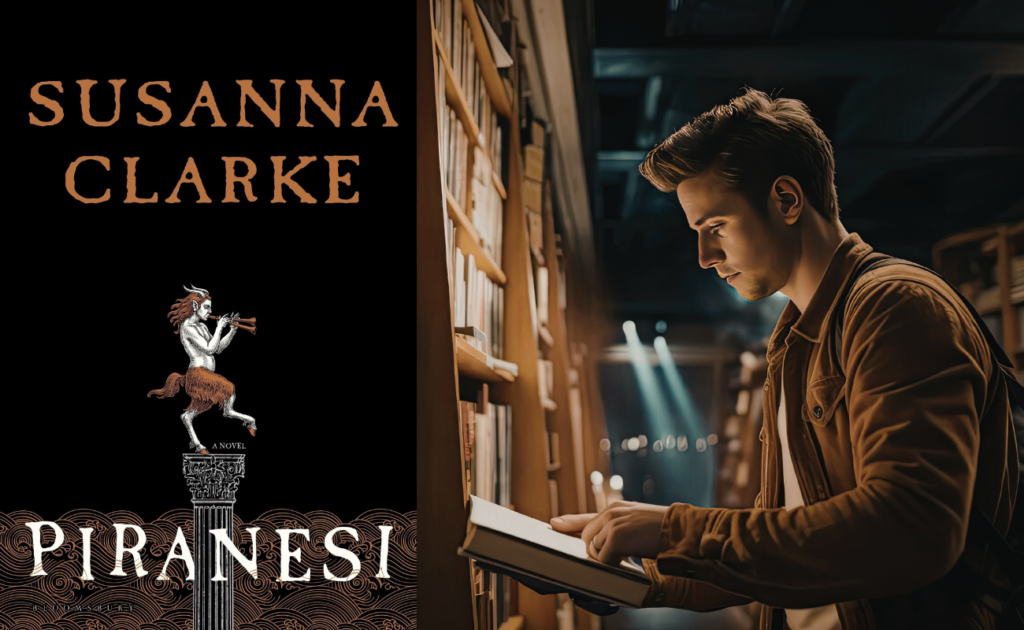
Clarke’s achievement is spatial. The setting is not backdrop; it is character. Cinema, at its best, is architectural — it thinks in frames and distance and silence. A faithful adaptation would not rely on spectacle but on scale and stillness.
There is already film buzz around Piranesi, which speaks to its cinematic instinct. The challenge will be restraint. The novel’s power lies in isolation, memory, and the slow dawning of truth. Over-scoring it would be fatal. So would excessive explanation.
This is art-house territory with mainstream potential: immersive world-building anchored by emotional clarity. The House must feel infinite yet coherent. The performance must carry loneliness without self-pity.
Without emotional stakes, infinity is merely expensive set design. With them, it becomes metaphysical.
3. Dark Matter – Blake Crouch
Crouch’s thriller moves fast — almost aggressively so. A physics professor is abducted and wakes in a version of his life where he made a different choice years earlier. From there, the narrative accelerates through parallel realities in pursuit of the life he lost.
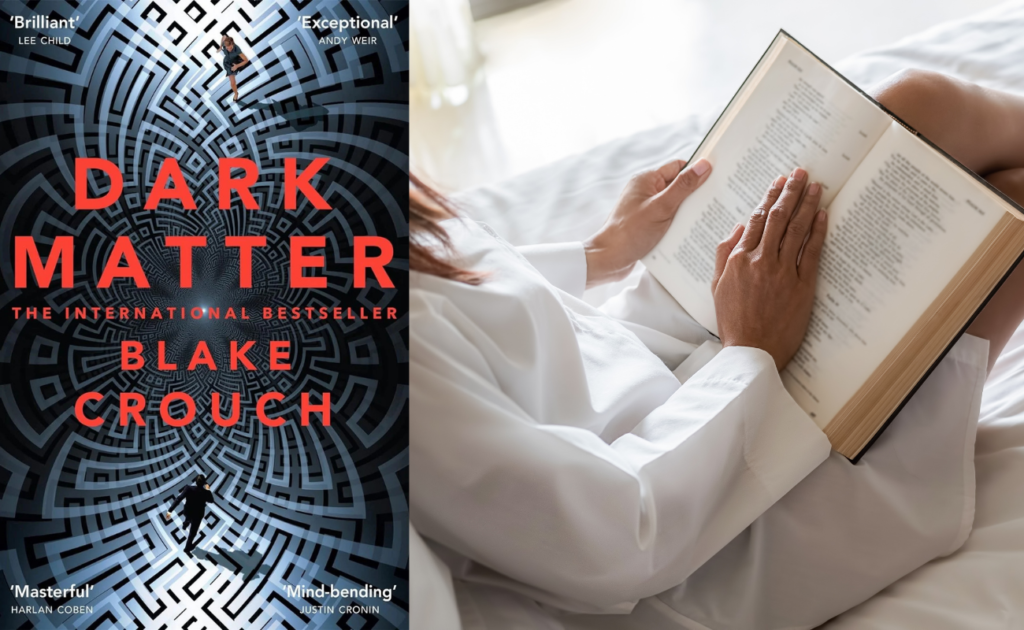
The science underpinning it gestures toward Everett’s Many-Worlds interpretation: every decision spawns branching universes. It’s a concept that has quietly permeated pop culture, but here it’s deployed with discipline. The book understands that multiverse theory is only interesting if it destabilises identity.
Visually, the adaptation case is clear:
- Controlled laboratory environments.
- Subtly altered Chicagos.
- Near-identical domestic spaces that feel wrong by degrees.
But the hook is not physics. It is regret.
Without emotional stakes, multiverse stories become expensive screensavers. With them, they become existential thrill rides.
Unlike multiverse stories that lean into spectacle, Dark Matter remains intimate. The emotional centre — a man trying to return to his family — prevents it from becoming a conceptual exercise. If I were pitching this to Netflix, I’d frame it like this:
“It’s a sci-fi thriller about quantum realities — but it’s really about the life you didn’t choose.”
Structurally, its short chapters and escalating stakes map neatly onto episodic television.
Restraint would be crucial. Explain enough science to ground it; no more. The horror of infinite choice is most potent when it is only partially understood.
In a landscape crowded with alternate realities, this one works because it turns the mirror inward.
So, Why These Three?
Adaptation is not translation; it is transformation. The best candidates are not simply “visual”. They are structurally cinematic, emotionally anchored, and disciplined in tone.
These three possess that architecture. Now over to you: which book screams “film” to you?